Range Rover Classic Restomod: Discovery 3 Body Swap
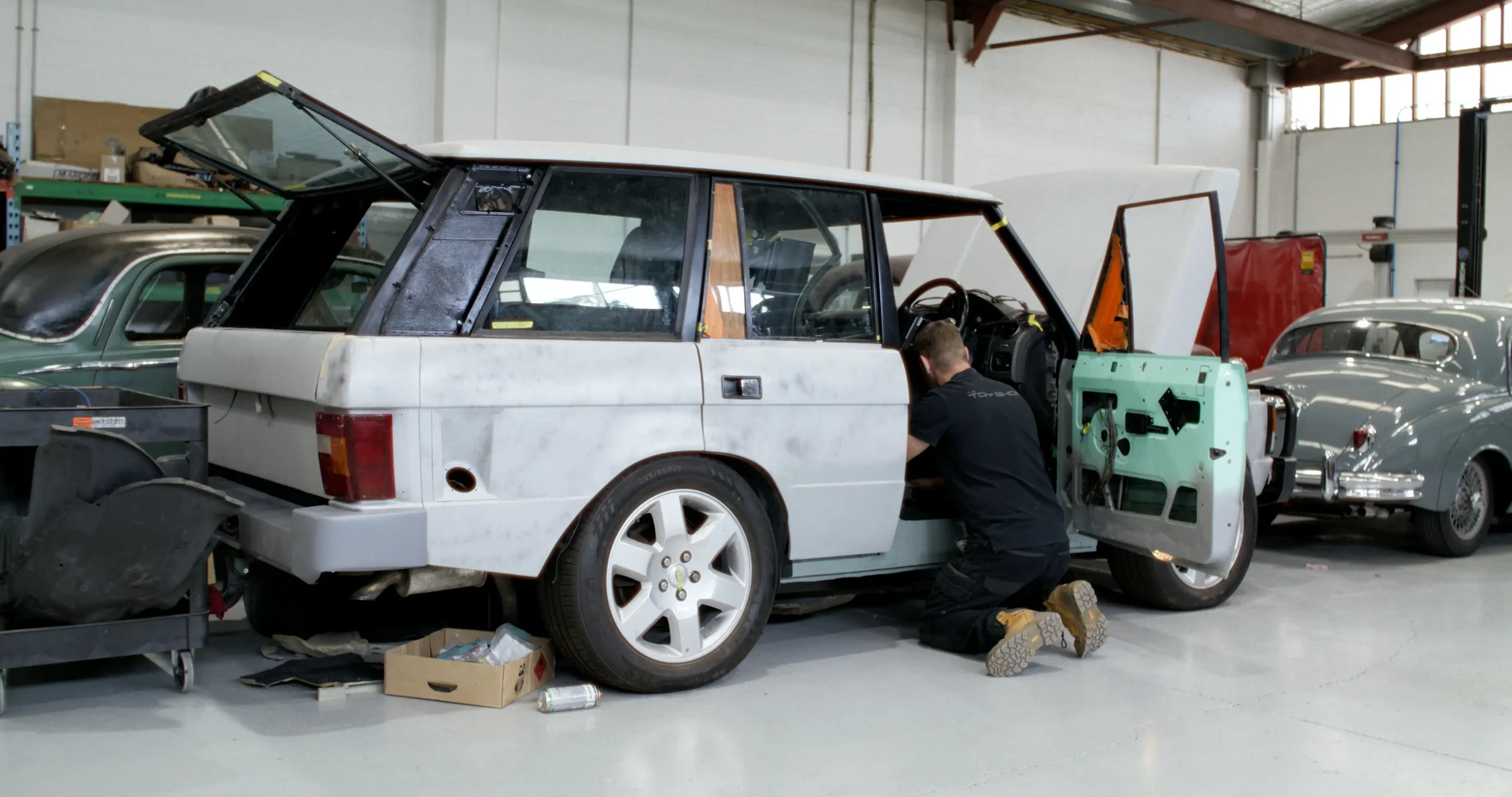
This Range Rover restomod combined the timeless beauty of a 1980 Range Rover Classic with the power and convenience of a modern 2006 Land Rover Discovery 3 TDV6. Classic lines met heated seats, Apple CarPlay, and the muscle to tow your toys in style.
A lot of people said it couldn’t be done. Well, we did it.
Watch as we transformed a Range Rover Classic into a new modern classic. From the timeless exterior to cutting-edge engineering and endless customisation possibilities, this body swap project was one-of-a-kind.
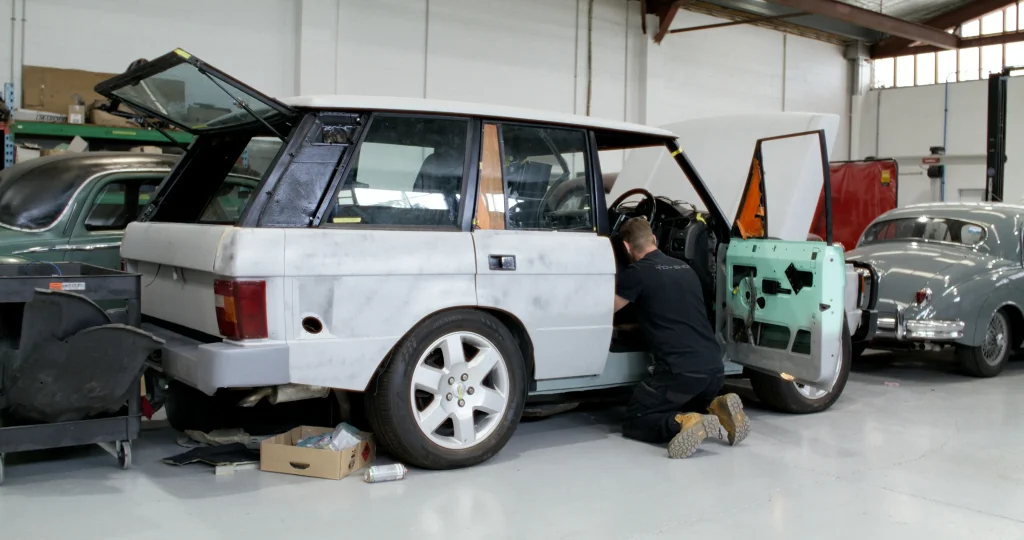
A Classic Range Rover Body, Discovery 3 Engineering
The Classic Range Rover is one of the most iconic and well-loved four-wheel drives of all time. Its shape is simple, capable and instantly recognisable. But this build asked a different question: what if that classic shape could sit over a more modern Land Rover foundation?

This project used a Discovery 3 donor vehicle, including its floor pan, firewall, inner guards, drivetrain and interior systems. Under the skin was a 2.7 single turbo Discovery 3 platform with a six-speed automatic gearbox, giving the vehicle a far more modern driving base while retaining the unmistakable Range Rover Classic exterior.
From the outside, the brief was still clear: it needed to look and feel like a Range Rover Classic. Underneath, it was carefully re-engineered to behave like something much newer.
Why Use A Discovery 3 Platform?
A restomod only works when the modern systems genuinely improve how the vehicle can be used. In this case, the Discovery 3 platform brought modern drivability, comfort and convenience while staying within the Land Rover family.
The build incorporated the Discovery 3 dashboard, centre console, radio, air conditioning system, gear selector, electric seats and heated seats. Even details like the armrests, central locking, electric windows and interior storage were part of the wider package.
The result was not a simple parts swap. It was a much deeper exercise in making two generations of Land Rover work together as one finished vehicle.
Making Modern Systems Fit An Older Shape
One of the biggest challenges in this build was packaging. A Range Rover Classic was never designed to house the wiring, controls and comfort systems of a Discovery 3.

The wiring alone took careful planning. Modern Land Rover systems needed to be retained, routed and hidden wherever possible, without compromising function or making the interior feel messy. The goal was to keep the modern capability, but make the work disappear into the build.
That is where much of the craft sat. The finished vehicle could not feel like a modern interior had simply been forced into an older body. It needed to feel considered, resolved and natural.
Interior, Wiring And Comfort
The interior was where the old and new parts of the build met most clearly. The Discovery 3 cabin brought comfort, seating, air conditioning and usability that the original Range Rover Classic never had.
At the same time, every element had to be made to suit the Classic body. The team worked through fitment, trimming, wiring, controls and finishing details so the cabin felt intentional rather than compromised.
Modern comfort was only valuable if it worked with the character of the vehicle. The aim was a cabin that was easier to live with, but still connected to the spirit of the Range Rover Classic.
A Bespoke Build, Not A Simple Conversion
A body swap like this sat firmly in bespoke build territory. It was not just a mechanical conversion, and it was not a restoration in the traditional sense.
The body, chassis, drivetrain, interior, wiring and comfort systems all needed to be brought together carefully. Each decision affected the next, from how the shell sat on the modified chassis to how the dashboard, trim and wiring were packaged inside the cabin.
The purpose was to create a vehicle that felt cohesive. Classic on the outside, modern underneath, and engineered so the two halves worked together properly.
Built To Be Driven
This Range Rover Classic restomod was about more than nostalgia. It was about building a classic Land Rover that could be used with more confidence and comfort today.
The exterior kept the presence that made the Range Rover Classic so loved in the first place. The Discovery 3 underpinnings gave it the usability, drivetrain and systems expected from a more modern vehicle.
That balance is what made the project special: old and new, brought together with enough care that the engineering supported the experience rather than overpowered it.